


Understanding the Roadside Testing Rules
These roadside screening updates outline what New Zealand motorists need to know about the current transport guidelines.
Random roadside saliva tests are used across New Zealand to quickly check for certain substances. If you are on a doctor-led care plan, it is important to know how these testing rules work.
-
Presence vs. Impairment: Roadside saliva tests check whether certain substances are present. They are not a measure of impairment, which means a substance can be detected even when you do not feel impaired. New Zealand law treats a positive test as an offence regardless of how you feel, so the safest approach is to avoid driving if there is any chance a prescribed substance is still in your system.
-
The 12-Hour Stand-Down: If a roadside test is positive, you must stop driving immediately for 12 hours while a laboratory check is done. Police officers cannot change or skip this 12-hour rule at the roadside, even if you show them a prescription.
-
Fines and Points: If the laboratory results confirm the substance is above the legal limit, it can lead to official fines and demerit points unless a valid medical defence applies.
How a Medical Defence Works
Under New Zealand transport law, if you receive an official fine (infringement notice) after a laboratory test, you may be eligible to apply for a formal medical defence.
To qualify, you must be able to show that the detected substance was legally prescribed by a registered doctor and used exactly as directed.
What is needed to apply for a formal review:
- Proof of Prescription: A current, valid prescription from a registered New Zealand medical clinic.
- Pharmacy Labels: A copy of the matching pharmacy dispensing labels showing your clear doctor instructions and dosages.
- Clinical Records: Supporting medical notes confirming your ongoing, supervised treatment plan.
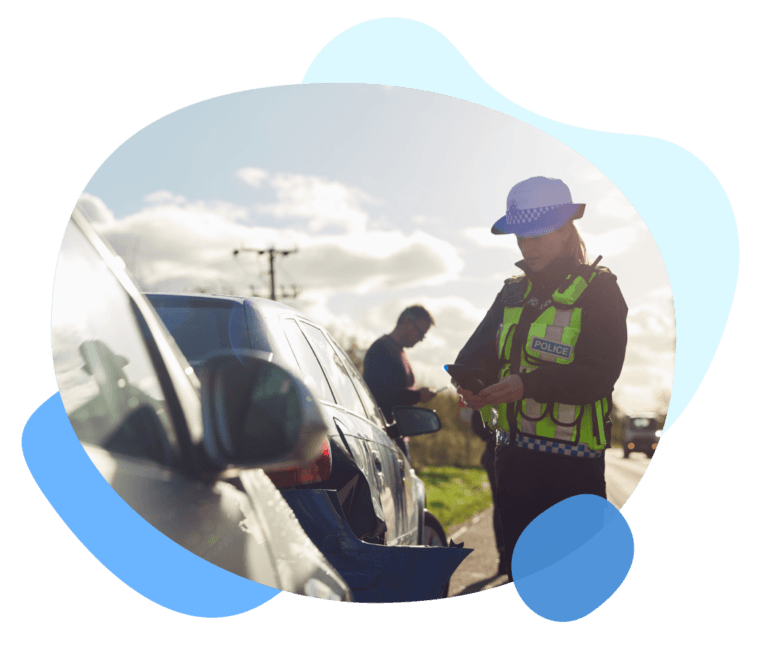
Important Notice: New Zealand Police cannot accept or process medical documents at the roadside. Officers must enforce the standard 12-hour stand-down period if a roadside test is positive. You can only formally submit a medical defence online after an official infringement notice has been issued.
Learn More
Clinic Documentation and Support
Registered medical clinics help patients by providing the standard medical notes and guidance needed to prove compliance with transport rules.
-
Verification Records: Quick access to proof-of-prescription letters and medical summaries required to back up a medical defence application.
-
Continuous Care: Ongoing access to our medical team to answer questions about your treatment plan, road safety, and compliance.
Please Note: A clinic’s role is strictly limited to providing regular ongoing healthcare and medical documentation. Healthcare teams do not act as legal counsel and cannot represent you in police or traffic matters.
Submit Online Application Learn MoreStay Informed
We’ll keep this page updated with any changes to the law, best practice guidance, and helpful tools to stay compliant and safe.

Can I drive if I am on a prescribed care plan?
New Zealand law makes it an offence to drive while impaired, and a roadside saliva test can return a positive result based on the presence of a substance, not on how you feel. If you take a prescribed medicine that may be detected, speak with your doctor about what that means for your situation, and do not drive if there is any chance the substance is still in your system.
Does carrying my prescription stop a roadside 12-hour stand-down?
Your medical documentation can be used afterwards to apply for a formal medical defence through the New Zealand Police process, once an infringement notice has been issued.
How do registered medical clinics help if a driver tests positive?
We can provide active patients with the official proof-of-prescription letters, prescription histories, and clinical summaries needed to formally apply for a medical defence through the online system.